Skip to content
Allergy treatment

Allergy treatment available online today

Request treatment for allergies online from our trusted, board-certified primary care doctors and find relief from itchiness and congestion today. Get a new prescription to treat allergies or refill an existing prescription.*

PlushCare Content Team
Written by PlushCare Content Team
Stephen Vogel, MD
Medically reviewed by Stephen Vogel, MD

*Prescriptions are provided at the doctor's discretion. Learn more about our controlled substances policy and how to save up to 80% with our prescription discount card. PlushCare doctors cannot treat all cases of allergies. Our primary care physicians can conduct an initial evaluation of your symptoms but may need to refer you to a specialist or for in-person treatment. If you are experiencing life-threatening symptoms, seek emergency medical attention immediately by calling 911.

circles-dark.18c7e306

Learn about allergies

Just like our body wants to fight off viruses, bacteria, and fungi, it also reacts to and tries to rid itself of allergens. Allergens can be many different things including pollens, food, drugs, pet dander and insect bugs or stings. When your immune system produces antibodies (fight signals) in response to these allergens, the resulting symptoms manifest as allergic reactions.


There are different types of allergies, including:

  • Seasonal allergies, also known as allergic rhinitis or hay fever, are common and often due to plant pollen.

  • Allergic asthma is triggered by allergens (e.g., dust mites), that lead to asthmatic symptoms like chest tightness, wheezing, and difficulting breathing.

  • Food allergies are triggered by ingesting certain food (e.g., shellfish).

  • Drug allergies are triggered by reactions to certain medications (e.g., certain antibiotics).

  • Latex allergies are triggered by reactions to latex materials (e.g., rubber gloves).

Allergy causes

Airborne causes

Common airborne allergens can float around in air and be carried by wind, such as dust mites, pollen, pet dander, and mold spores.

Food allergies

Some food can trigger allergic reactions within minutes of consumption. Common food allergens are peanuts, shellfish, soy, milk, and wheat.

Insect stings

In addition to pain and swelling in the surrounding tissue of the sting site, certain insect venoms (e.g., bee venom) can also trigger an allergic response.
circles-dark.18c7e306

How to treat allergies

Here is a summary of options that can help treat allergy symptoms:


  • Preventing coming into contact with potential allergens

  • Over-the-counter medications

  • Prescription medications

  • Allergen immunotherapy

  • Epinephrine

circles-light

How to control allergies

Depending on the severity of your allergic reactions, ways to control or manage allergies include some combination of the following allergy treatments:


  • Exposure prevention or avoidance

  • Allergy medications

  • Immunotherapy or allergy shots

  • Epinephrine

circles-dark.18c7e306

When to see a doctor for allergies

While there are times the allergen responsible for your allergy symptoms is easily recognizable, there are times when you are not sure what is causing the allergy reactions. Doctors can help diagnose the causes of allergies. Your primary care doctor can also refer you to an allergy specialist if needed.

You can also see a doctor if your allergy symptoms are not going away with over-the-counter allergy medications, or if you developed allergic reactions when starting a new medication.

Doctors can perform a few allergy tests to help diagnose allergies:

  • Skin test: Also known as skin prick test, the test is typically performed on a small and inconspicuous area on the forearms. The doctor or nurse will then prick your skin and expose the skin to the allergen. If you are allergic, an allergic reaction will be visible on the test site within 15 minutes or so.

  • Patch test: A little less invasive than the skin prick test, the allergen is simply placed on the skin and then covered with a bandage. The doctor then checks for an allergic reaction after 48 to 96 hours.

  • Blood test: When skin testing is not a viable option due to interference from medication, the doctor can order blood work to be performed. The test is also known as Specific IgE (sIgE) blood testing. This test measures the amount of allergy triggering antibodies in the blood.

Seasonal Allergy Frequently Asked Questions

What is the best treatment for allergies?

The best treatment for allergies is usually a combination of avoidance and allergy medicine. Second-generation antihistamines such as Zyrtec, Allegra, and Claritin are effective in relieving common allergic symptoms such as sneezing and a stuffy or runny nose. These can be combined with nasal corticosteroid sprays such as Flonase or Nasacort, which further reduce inflammation and irritation of the nose, sinuses, and throat.

How can I control my allergy symptoms?

You can take control and manage your allergy symptoms with a combination of exposure reduction and allergy medicine. For example, if pollen is the allergen, plan to stay indoors during high pollen count days, use a HEPA air filter indoors, vacuum carpets and dust your furniture frequently, or wear a mask if you have to go out.

If certain foods are the causes of allergic reactions, carefully read packaging labels and check with food handlers (in restaurant settings) before consumption. Further, preemptively taking allergy medicines such as antihistamines, nasal sprays, and decongestants can provide additional relief and help control allergy symptoms.

Can allergies cause a sore throat?

Yes, allergies can sometimes cause a sore throat along with other symptoms. As an allergic reaction, your immune system can flood the bloodstream with histamines, which increase mucus production and postnasal drip. This nasal discharge that runs down the back of your throat irritates the throat, causing a sore throat.

How is an allergy diagnosed?

Doctors can perform a few tests to help diagnose allergies. The most common of these tests is the skin prick test. A small and inconspicuous area on the forearms is typically chosen. The doctor pricks your skin and exposes the skin to the allergen. An allergic reaction can become visible within 15 minutes or so. Other available tests are the patch and blood tests.

What helps relieve allergies fast?

Antihistamines such as Zyrtec, Allegra, and Claritin can help relieve allergies fast and help with common allergic symptoms such as sneezing or a runny and stuffy nose. Other allergy medicines that can help relieve allergic nasal symptoms are nasal steroids such as Flonase and Nasacort. Additionally, the tablet called Singulair (montelukast) can tackle both asthma and allergy symptoms if taken daily. Finally, immunotherapy shots or tablets given by an Allergist can help reduce and prevent severe allergy symptoms.  

How can I get allergy testing?

You can typically get allergy testing at a doctor's office during consultation. The skin prick test is commonly performed and results are typically available within 15 mins or so. If the skin test cannot be performed, then sometimes pecific IgE (sIgE) blood testing can be performed.


Related conditions to allergies

Asthma

Asthma is a chronic condition caused by hypersensitive airways, which can overreact to allergens and other triggers, leading to breathing problems like chest tightness, wheeezing, and difficulty breathing. For many people, seasonal, food and skin allergies and asthma can often occur together. An allergy can cause sneezing, running nose, skin conditions, and nasal congestion, affecting the lungs and lead to asthma symptoms. They are called allergic asthma.

Hives

Hives are red and itchy skin welts. They can be triggered by an allergic reaction and manifest as allergy symptoms. Hives can vary in size and patterns.

Eczema

Eczema generally describes dry, red, and itchy skin conditions. There are many triggers of eczema, such as dry skin, heat, etc. Atopic dermatitis, a common type of eczema, can be triggered by allergic reactions to food, plant pollen, and chemicals.

3 simple steps to request treatment for allergies today

How It Works Step 1
Step 1

Book an allergy treatment appointment.

Book a same day appointment from anywhere.
How It Works Step 2
Step 2

Talk to your medical provider regarding your allergy symptoms.

Visit with a doctor on your smartphone or computer.
How It Works Step 3
Step 3

Pick up prescription for allergy treatment, if provided.

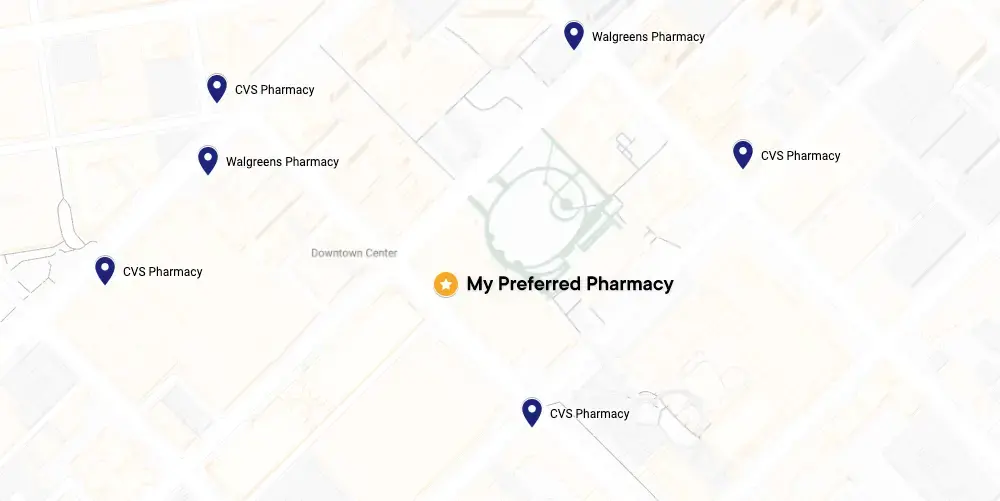
We can send prescriptions to any local pharmacy.

Allergy treatment pricing details

To request allergy treatment and get a new or refill on your prescription, join our monthly membership and get discounted visits.

Info Card heading

Paying with insurance

Membership

16.99

First month free

+

Visits

Copay

Visit price with insurance

Lorem ipsum dolor sit amet, consectetur adipiscing elit, sed do eiusmod tempor incididunt ut labore et dolore magna aliqua...

Paying with insurance

Membership

16.99

First month free

+

Visits

Copay

Visit price with insurance

Lorem ipsum dolor sit amet, consectetur adipiscing elit, sed do eiusmod tempor incididunt ut labore et dolore magna aliqua...

Sources:

PlushCare is dedicated to providing you with accurate and trustworthy health information.


PlushCare content is reviewed by MDs, PhDs, NPs, nutritionists, and other healthcare professionals. Learn more about our editorial standards and meet the medical team. The PlushCare site or any linked materials are not intended and should not be construed as medical advice, nor is the information a substitute for professional medical expertise or treatment.