

Skip to content
Top Online Doctors | Step 2

At-home HPV test and HPV treatment online

For comprehensive HPV testing and cervical cancer screening from the comfort of your home, connect with our board-certified doctors online. Whether you're seeking an initial diagnosis or a prescription to manage genital warts, we're here to support every step of your journey.*

Take control of your sexual health with preventive measures Prescription medications for effective genital warts treatment Early detection through high-risk HPV screening

*Prescriptions are provided at the doctor’s discretion. Learn more about our controlled substances policy and how to save 80% with our prescription discount card.

circles-dark.18c7e306

What is HPV?

The human papillomavirus (HPV) is a common sexually transmitted infection, and it stands as the most common STI in the United States. There are more than 100 different kinds of HPV. Some types cause genital warts.

HPV spreads through skin-to-skin contact. Sexual activity, including vaginal or anal intercourse, is a common route of transmission. To minimize your risk, consider these precautions:


  • Use condoms with your partner during sexual activity

  • Be cautious with behaviors that can facilitate HPV transmission, such as oral sex, both giving and receiving and the use of sex toys

  • Avoid sharing sex toys

  • Before casual sexual encounters, engage in open discussions about medical history with your partner


Almost 85% of all unvaccinated sexually active people will get the human papillomavirus (HPV) at some point in their lives.7 Even though HPV is the most common STI, those who have acquired HPV may not develop any symptoms.

Common symptoms often involve the development of genital warts, which typically appear as small bumps in the genital area. If you're sexually active, don't hesitate to get regularly tested through PlushCare.

Our doctors can send HPV testing right to the comfort of your home, ensuring a discreet and hassle-free experience. This may involve a swab for a culture to see if you have HPV or another STI.

Related conditions to HPV

HPV is the most common STI in the U.S. Some of the other STIs our doctors treat include:

HPV treatment FAQs

Can HPV go away on its own?

Most HPV infections disappear within a few years and do not express symptoms. However, during this time, the virus is still active in the body, causing the spread of the infection. If HPV does not go away on its own, it can cause HPV-related health problems.

Can HPV cause cancer?

Yes, high-risk HPV can cause cancer in the cervix and other parts of the body (e.g. penis, anus). If detected early, treatments can begin for those with high-risk HPV.

  • Cervix: Only a Pap test done at the time of a pelvic exam can detect early cervical cancer, but testing for high-risk HPV with a simple swab sent to your home is an important step in assessing your risk for cervical cancer and getting early treatment.

  • Other areas: If detected early, treatment options include prescription medicines, surgical excision, cryotherapy, laser surgery.


Getting tested regularly is the most important thing you can do to protect your health. The CDC also recommends the HPV vaccination at ages 11-12 to protect against these cancers.

Do women who have been vaccinated against HPV still need to be screened for cervical cancer?

Yes. Current HPV vaccines do not protect against all HPV types that cause cervical cancer, so it is still important for vaccinated people to continue routine cervical cancer screening by getting regular PAP exams from your gynecologist.

Who is not considered a good candidate for HPV at-home testing?

The following are not considered good candidates for at-home HPV testing:

  • Women younger than 30 years of age

  • Women older than 65 years of age who are not otherwise at high risk for cervical cancer

  • Women who have had a total hysterectomy (surgery to remove the uterus and cervix)


It is important to note that some women may require more frequent or ongoing screening beyond the age of 65 if they have certain risk factors. These factors may include, but are not limited to, having HIV or being immunocompromised, as well as having a history of being treated for cervical cancer or precancerous lesions.

How can I get rid of HPV fast?

There is no treatment for the human papillomavirus itself. According to the CDC, HPV often goes away on its own within a few years. The rate of recovery depends on the individual's immune system. If you have HPV, it is important to:

  • Get tested regularly, to find out if you still have an active infection

  • Refrain from sex

  • If you are still sexually active, have protected sex

  • For women, get routine Pap smears along with at-home high-risk HPV screenings. 


If you feel you’ve contracted HPV, you should make an appointment with a PlushCare doctor. We’ll be able to prescribe genital warts treatment, send you at-home HPV testing and high-risk HPV screening, and send referrals to a specialist for further care if needed.

How to get tested and treated for HPV today

How It Works Step 1
Step 1

Book an HPV treatment appointment.

Book a same-day appointment from anywhere.

How It Works Step 2
Step 2

Talk to your clinician regarding your HPV symptoms.

Visit with a doctor on your smartphone or computer.
How It Works Step 3
Step 3

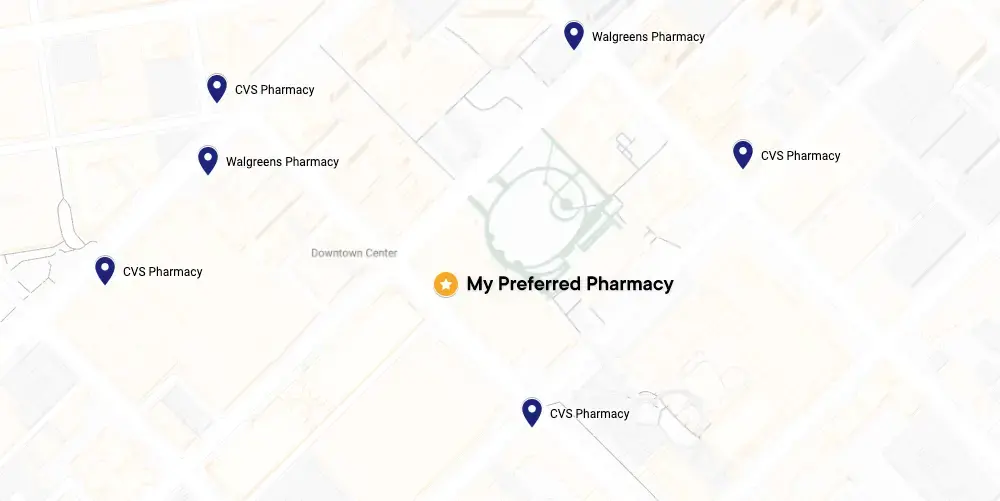
Test for HPV and pick up your prescription, if needed.

To confirm your diagnosis, your doctor can order an HPV testing kit to your home. We can send prescriptions to any local pharmacy.

HPV treatment pricing details

To request HPV treatment and get a new prescription or refill on your prescription, join our monthly membership and get discounted visits.

Info Card heading

Paying with insurance

Membership

16.99

First month free

+

Visits

Copay

Visit price with insurance

Lorem ipsum dolor sit amet, consectetur adipiscing elit, sed do eiusmod tempor incididunt ut labore et dolore magna aliqua...

Paying with insurance

Membership

16.99

First month free

+

Visits

Copay

Visit price with insurance

Lorem ipsum dolor sit amet, consectetur adipiscing elit, sed do eiusmod tempor incididunt ut labore et dolore magna aliqua...

Sources:

PlushCare is dedicated to providing you with accurate and trustworthy health information.


  1. Centers for Disease Control and Prevention. "About Genital HPV Infection." CDC, Accessed on June 18, 2024. https://www.cdc.gov/sti/about/about-genital-hpv-infection.html?CDC_AAref_Val=https://www.cdc.gov/std/hpv/stdfact-hpv.htm

  2. National Center for Biotechnology Information (NCBI). "Self-Sampling for Human Papillomavirus Testing: Increased Cervical Cancer Screening Participation and Incorporation in International Screening Programs" Accessed on October 16, 2023 at https://www.ncbi.nlm.nih.gov/pmc/articles/PMC5900042/.

  3. National Cancer Institute. "HPV and Cancer." Cancer.gov, Accessed 10 Oct. 2023. www.cancer.gov/about-cancer/causes-prevention/risk/infectious-agents/hpv-and-cancer

  4. Mayo Clinic. "HPV infection - Symptoms and causes." Mayo Clinic, Accessed 10 Oct. 2023. www.mayoclinic.org/diseases-conditions/hpv-infection/symptoms-causes/syc-20351596

  5. Planned Parenthood. "HPV." Planned Parenthood, Accessed 10 Oct. 2023. www.plannedparenthood.org/learn/stds-hiv-safer-sex/hpv

  6. American Cancer Society. "HPV and Cancer." Cancer.org, Accessed 10 Oct. 2023. www.cancer.org/healthy/cancer-causes/infectious-agents/hpv.html

  7. CDC (Centers for Disease Control and Prevention). "Reasons to Get HPV Vaccine." Accessed on December 1, 2023 at https://www.cdc.gov/hpv/parents/vaccine/six-reasons.html.

  8. Centers for Disease Control and Prevention (CDC): "Cervical Cancer Screening." CDC. Accessed on December 5, 2023, at https://www.cdc.gov/wtc/pdfs/factsheets/CervicalCancerScreening_web_FINAL_05152015-P.pdf.


PlushCare content is reviewed by MDs, PhDs, NPs, nutritionists, and other healthcare professionals. Learn more about our editorial standards and meet the medical team. The PlushCare site or any linked materials are not intended and should not be construed as medical advice, nor is the information a substitute for professional medical expertise or treatment.