
Skip to content
Top Online Doctors | Step 2

Crohn's disease treatment available online today

Discuss treatment or specialist referrals for Crohn's disease online from our trusted, board-certified primary care doctors. Get a new prescription to treat Crohn's disease or refill an existing prescription today, if safe to do so as determined by our online doctors.*

Manage IBD symptoms from anywhere Crohn's disease medications administered by board-certified primary care doctors* Same-day appointments to evaluate Crohn's symptoms

*Prescriptions are provided at the doctor's discretion. Learn more about our controlled substances policy and how to save up to 80% with our prescription discount card. PlushCare doctors cannot treat all cases of Crohn's disease. Our primary care physicians can conduct an initial evaluation of your symptoms but may need to refer you to a specialist or for in-person treatment. If you are experiencing life-threatening symptoms, seek emergency medical attention immediately.

circles-dark.18c7e306

Learn about Crohn's disease

Crohn's disease is a type of inflammatory bowel disease (IBD). As a chronic disease, Crohn's disease causes inflammation in the digestive or gastrointestinal tract. Crohn's disease can be painful and debilitating, and the disease may lead to serious complications.

Living with a chronic illness can feel overwhelming, but proper treatment can help you manage the symptoms of Crohn's disease.

Crohn's disease causes

Crohn's disease has no specific single cause, but is considered polygenic, in other words that it’s a combination of genetics, the gut-immune system and the gut biome.  

  • Autoimmune reaction: Crohn's disease may be caused by an autoimmune reaction, where your immune system attacks healthy cells in your body.

  • Genetic factors: Crohn's disease can run in families. If you have a parent or sibling with the disease, you have a higher risk of developing Crohn's disease.

  • Other factors: Research suggests that people who smoke, people who get less than 6 hours of sleep regularly, and people who take certain medications including oral contraceptives, NSAIDS and frequent oral antibiotics have a small increased risk of developing Crohn’s disease. 

circles-dark.18c7e306

How to treat Crohn's disease

Although treatment does not cure Crohn's disease, there are several treatment options to help reduce symptoms. Depending on your symptoms, your doctor may recommend:


  • Medications, such as oral anti-inflammatory drugs, biologic therapies or rarely antibiotics

  • Dietary changes to avoid symptom flare-ups

  • Going without food or drink for several days to help your intestines heal (bowel rest)

  • Surgery to treat complications, such as intestinal perforations

Crohn's disease medication

There are medications to treat Crohn's disease inflammation and symptoms. They may include:

Anti-inflammatory drugs

Such as corticosteroids like oral budesonide or oral prednisone

Anti-TNF antibody therapies (medications with monoclonal antibodies)

Humira (adalimumab)
Remicade (infliximab)
Cimzia (certolizumab pegol)

Immune system modulators

Azathioprine
Methotrexate

The initiation and management of anti-TNF antibody therapies or immune system modulator therapies for Crohn's Disease are usually done by specialists such as Gastroenterologists. At this time, PlushCare does not have any gastroenterologists, but our primary care physicians are able to refer you to one if needed.

Antidiarrheal medication

circles-light

How to prevent Crohn's disease

Because doctors don't know the exact cause of Crohn's disease, it cannot be prevented. However, healthy lifestyle choices can help reduce risk of getting IBD, reduce symptoms, and manage flare-ups:


  • Eating a healthy diet and avoiding high-fiber foods during a flare-up

  • Keeping a food diary to track foods that cause flare-ups

  • Refraining from smoking

  • Regularly exercising

  • Getting 7 or more hours of sleep each night

  • Avoiding frequent antibiotic use

  • Finding healthy ways to manage stress

circles-dark.18c7e306

When to see a doctor for Crohn's disease

Talk to your doctor if you experience severe symptoms, such as:


  • Severe abdominal pain

  • Bloody stool

  • Severe diarrhea or constipation

  • Extreme weight loss

  • High fever

  • Nausea and vomiting

  • Inability to pass gas

  • Weakness or fatigue

Crohn's disease treatment FAQs

What are the early warning signs of Crohn's disease?

Some of the earliest signs of Crohn's disease include appetite loss, abdominal pain, and nausea. These symptoms can come on gradually, and it's easy to ignore them. If you experience new gastrointestinal symptoms, it's important to talk to your doctor.

Is Crohn’s diesease curable?

Unfortunately, there's no cure for Crohn's disease. However, treatment can help people with Crohn's disease manage symptoms, reduce flare-ups, and live a healthy life.

What complications can be caused by Crohn’s disease?

Without treatment, Crohn's disease can lead to serious complications, such as:

  • Intestinal blockage

  • Anal fistulas or fissures

  • Malnutrition

  • Ulcers in the mouth, intestine, anus, or perineum

  • Abscesses

  • Inflammation in other areas of the body

What is the best treatment for Crohn's disease?

There's no one-size-fits-all treatment for Crohn's disease, and the best treatment will depend on your specific symptoms. It is always important to have a local GI/Crohn’s disease specialist involved in your care. Your doctor may recommend prescription medications, bowel rest, or surgery to provide symptom relief.

What foods should you avoid if you have Crohn's disease?

If you're having a flare-up, avoid eating trigger foods to avoid making symptoms worse. Some common trigger foods include:

  • Whole grains

  • Nuts and seeds

  • High-fiber fruits and vegetables

  • Alcohol and caffeine

  • Greasy, fatty foods

3 simple steps to request consultation for Crohn's disease today

How It Works Step 1
Step 1

Book a Crohn's disease consultation request appointment.

Book a same day appointment from anywhere.
How It Works Step 2
Step 2

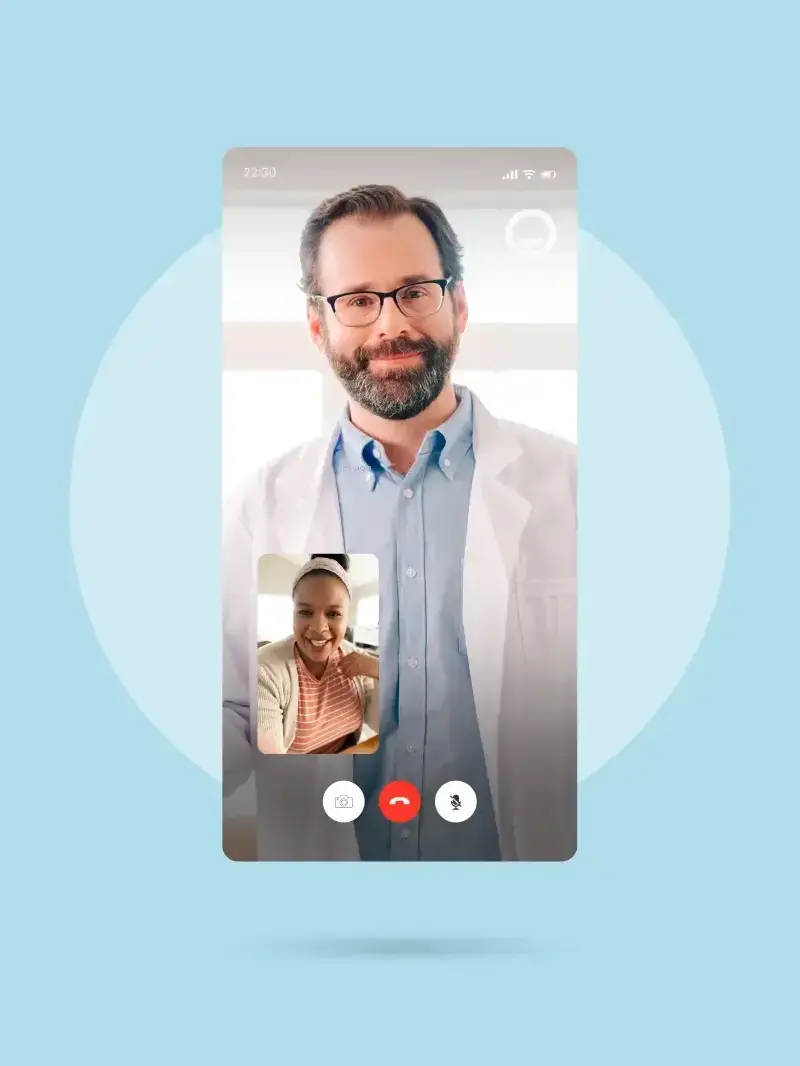
Talk to your board-certified primary care physician regarding your Crohn's disease symptoms.

Visit with a doctor on your smartphone or computer.
How It Works Step 3
Step 3

Pick up a prescription to treat Crohn's disease, , if recommended by your doctor. Referral to a local specialist or labs, if appropriate, may also be advised

We can send prescriptions to any local pharmacy.

Crohn's disease consultation pricing details

To request treatment for Crohn's disease and get a new or refill on your prescription, join our monthly membership and get discounted visits.


Info Card heading

Paying with insurance

Membership

16.99

First month free

+

Visits

Copay

Visit price with insurance

Lorem ipsum dolor sit amet, consectetur adipiscing elit, sed do eiusmod tempor incididunt ut labore et dolore magna aliqua...

Paying with insurance

Membership

16.99

First month free

+

Visits

Copay

Visit price with insurance

Lorem ipsum dolor sit amet, consectetur adipiscing elit, sed do eiusmod tempor incididunt ut labore et dolore magna aliqua...

Sources:

PlushCare is dedicated to providing you with accurate and trustworthy health information.


PlushCare content is reviewed by MDs, PhDs, NPs, nutritionists, and other healthcare professionals. Learn more about our editorial standards and meet the medical team. The PlushCare site or any linked materials are not intended and should not be construed as medical advice, nor is the information a substitute for professional medical expertise or treatment.