Skip to content
Nasal Decongestants Online

Nasal decongestant prescriptions available online

Learn how decongestants can help congestion with a consultation from one of our board-certified primary care doctors online. Get a new prescription or refill for decongestants from a top-rated doctor online.*

Typically start to work within 15–30 minutes Three types of decongestant medications Breathe better with doctor-recommended prescriptions
*Prescriptions are provided at the doctor’s discretion. Learn more about our controlled substances policy and how you can save up to 80% with our prescription discount card.
circles-dark.18c7e306

About nasal decongestants

Nasal decongestants are medications designed to relieve congestion by reducing swelling, inflammation, and mucus formation in the nasal and sinus tissues. Decongestants have no other effect on congestion symptoms, such as a stuffy nose or sneezing.

Decongestants may be taken orally to help reduce nose congestion, sinus congestion, or eye congestion. They can also be sprayed directly in the nose or installed in the eye for a localized effect. 
 
Most decongestants are used to help treat congestion caused by the common cold, flu, sinusitis, or allergic rhinitis, but over-the-counter decongestants are also available. There are three types of decongestants: nasal, oral, and ophthalmic applied medications.

What decongestants treat

The most common condition treated with decongestants is allergic rhinitis. Decongestants are designed to narrow the blood vessels in your nasal and airway membranes, which helps drain mucus so you can breathe easier.

Other conditions are also treated with decongestants. Your doctor may recommend an over-the-counter decongestant or prescription medication to treat congestion associated with the common cold, flu virus, and other illnesses.

How decongestants work

When your body detects a virus, it sends extra blood to the blood vessels in your nose to fight the virus. In turn, your nasal tissues and blood vessels become swollen, which makes it harder to breathe through your nose.

Decongestants act to shrink swollen blood vessels, which helps relieve swelling, inflammation, and mucus formation within the nasal passages. Swollen tissue inside the nose shrinks, and air can pass through more easily.

Side effects of decongestants

When taken as prescribed, decongestants are generally well tolerated. However, they can still cause some side effects. The most common side effects of decongestants include:

  • Drowsiness

  • Irritation of the lining of your nose

  • Headache

  • Dry mouth

  • Feeling restless or agitated

  • Skin rash


In rare cases, decongestants may cause serious side effects. These can include:

  • Fast, pounding, or uneven heartbeat

  • Severe dizziness or anxiety

  • Easy bruising or bleeding

  • Unusual weakness

  • Unusually high blood pressure

Decongestant risks

Decongestants are generally safe, but there are some risks if you have other medical conditions or take certain medications.

Before you take a prescribed decongestant, be sure to tell your doctor if you have any of the following conditions or issues:

  • High blood pressure

  • Heart disease

  • Urinary problems

  • Diabetes

  • Glaucoma

  • Overactive thyroid gland (hyperthyroidism)

Decongestant drug interactions

When you begin a new medication, make sure to tell your doctor about any other medications, supplements, or herbs you’re taking. Some medications that might interact with a decongestant include:

  • Blood pressure medications, including guanethidine, methyldopa, beta-blockers, and calcium channel blockers

  • MAO inhibitors, including isocarboxazid, linezolid, and metaxalone

  • Certain antidepressants


Avoid using more than one over-the-counter decongestant medicine unless your doctor says it's OK. Multiple medications may have similar active ingredients.

Decongestants FAQs

How should I take decongestants?

Take decongestants as prescribed by your doctor or as recommended by the patient information that came with your medication. Most decongestants should be used between one and four times a day. If you're not sure how often to use your medicine, ask your doctor or pharmacist for medical advice.

Who shouldn’t take decongestants?

Avoid taking decongestants if you have certain medical conditions, such as:

  • High blood pressure

  • Heart disease

  • Urinary problems

  • Diabetes

  • Glaucoma

  • Overactive thyroid gland (hyperthyroidism)

How long does it take for decongestants to work?

Most oral decongestants start to work within 15–30 minutes, with noticeable symptom relief between 30 and 60 minutes. Eye drops and nasal sprays typically work faster to relieve congestion.

What should I avoid with decongestants?

Avoid drinking excess caffeine, using herbal supplements without your doctor's approval, or using other stimulants while taking decongestants. Stimulants can increase your risk of adverse effects, such as insomnia, nervousness, anxiety, and tremors, especially if you're taking a higher dose of decongestant medicine.

Avoid taking oral decongestants with monoamine oxide inhibitors (MAOIs) and other antidepressants without your doctor's approval. Make sure to tell your doctor about any medications you're taking.

In addition, using nonprescription nasal sprays for more than 3–4 days can cause a rebound effect, which leads to worse nasal congestion after the decongestant wears off. Avoid using nasal sprays for OTC relief longer than needed.

What is the most effective decongestant?

According to a study from 2009, pseudoephedrine is significantly more effective at alleviating nasal congestion than placebo medication.

With that said, the best decongestant will depend on your specific symptoms, type of congestion, and condition. Your healthcare professional can choose the best prescription for your congestion symptoms.

What does a decongestant do?

Decongestants provide short-term relief for a blocked or stuffy nose (nasal congestion). They help relieve the symptoms of congestion from the cold virus, flu, hay fever, nonallergic rhinitis, and other conditions.

Can a doctor prescribe pseudoephedrine?

Yes, a licensed medical doctor can prescribe some preparations of pseudoephedrine to relieve congestion. Some preparations of pseudoephedrine are available over the counter (without a prescription).

Fortunately, you can set an appointment with PlushCare’s doctors to buy pseudoephedrine online. The average appointment takes just 15 minutes and you can leave with a prescription that’s right for you, if you qualify.

What can doctors prescribe for congestion?

Doctors can prescribe different medications for congestion depending on who's taking the medication, their age, their general health, and their symptoms. Some prescription options for treating congestion include decongestants, antihistamines, intranasal corticosteroids, and nasal sprays.

Combination products are also available. Some medications may combine decongestant medicine, antihistamines, and pain relievers for additional symptom relief.


3 simple steps to getting decongestants online

How It Works Step 1
Step 1

Book an appointment to discuss decongestants.

Book a same day appointment from anywhere.
How It Works Step 2
Step 2

Talk to your board certified primary care doctor online.

Visit with a doctor on your smartphone or computer.
How It Works Step 3
Step 3

Pick up your decongestants prescription from your online doctor.

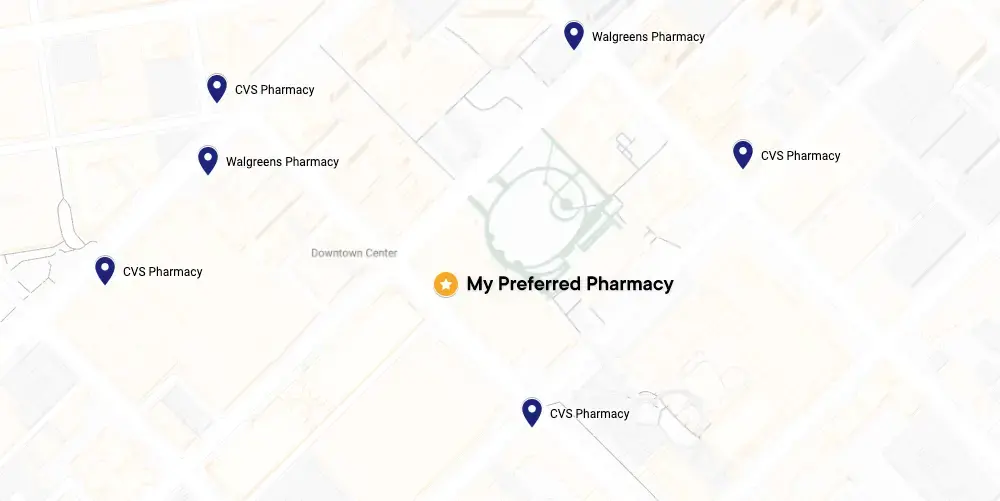
We can send prescriptions to any local pharmacy.

How pricing works

To get decongestants online, join our monthly membership and get discounted visits.

Info Card heading

Paying with insurance

Membership

16.99

First month free

+

Visits

Copay

Visit price with insurance

Lorem ipsum dolor sit amet, consectetur adipiscing elit, sed do eiusmod tempor incididunt ut labore et dolore magna aliqua...

Paying with insurance

Membership

16.99

First month free

+

Visits

Copay

Visit price with insurance

Lorem ipsum dolor sit amet, consectetur adipiscing elit, sed do eiusmod tempor incididunt ut labore et dolore magna aliqua...

Sources:

PlushCare is dedicated to providing you with accurate and trustworthy health information.


PlushCare content is reviewed by MDs, PhDs, NPs, nutritionists, and other healthcare professionals. Learn more about our editorial standards and meet the medical team. The PlushCare site or any linked materials are not intended and should not be construed as medical advice, nor is the information a substitute for professional medical expertise or treatment.