Skip to content
Top Online Doctors | Step 2

Beta-blocker prescriptions available online

Learn how beta-blockers can help with high blood pressure and anxiety with a consultation from one of our board-certified doctors online. Get a new prescription for beta-blockers or refill an existing prescription today.*

Manage blood pressure with online guidance Expert advice on beta-blockers for various conditions Aid in expanding veins and arteries, promoting improved blood flow
*Prescriptions are provided at the doctor’s discretion. Learn more about our controlled substances policy and how you can save up to 80% with our prescription discount card.
circles-dark.18c7e306

About beta-blockers

Beta-blockers, also called beta-adrenergic blocking agents, are medications designed to block the effects of certain chemicals on the heart. Beta-blockers cause the heart to beat slowly with less force, which helps lower blood pressure. They can also help widen veins and arteries to improve blood flow.

Beta-blockers are often prescribed to treat high blood pressure, but they're also used for other medical conditions. For example, your healthcare provider may prescribe beta-blockers off-label to treat different brain and nervous system conditions, such as anxiety disorders.

There are two types of prescription beta blockers. While certain beta-blockers only work on the heart, others affect the heart and blood vessels.


What beta-blockers treat:


The most common condition treated with beta-blockers is high blood pressure. Beta-blockers are typically used to treat for the heart- and blood pressure-related conditions, including:


  • Tachycardia

  • Chest pain (angina)

  • High blood pressure (hypertension)

  • Heart attack (myocardial infarction)

  • Congestive heart failure

  • Coronary artery disease

  • Irregular heart rhythm

  • Overactive thyroid (hyperthyroidism)

  • Essential tremor


Beta-blockers may also be prescribed off-label to treat other health conditions, such as:


  • Glaucoma

  • Migraine headaches

  • Anxiety disorders


Beta-blockers reduce your heart rate and blood pressure. They stop stress hormones, such as adrenaline, from binding to beta receptors in your body.

Beta-blocker FAQs

How should I take beta-blockers?

Please always follow your doctor's instructions when you take beta-blockers. Most beta-blockers are taken once daily, excluding certain beta-blockers used during pregnancy and Sotalol, which is given 2–3 times daily. Most beta-blockers can be taken with or without food.

If you forget, take the missed dose as soon as you remember. If it's almost time for your next dose, skip the missed dose and follow your regular dosing schedule. Avoid taking two doses to make up for a missed dose.

An overdose of beta-blockers can slow your heart rate and make breathing harder. You may also experience dizziness and trembling. If you've exceeded your regular dose, contact your local poison control center or seek emergency medical help.

Who shouldn’t take beta-blockers?

Your healthcare provider may recommend a different medication if you have certain health conditions. Tell your doctor if you have any of the following requirements to ensure that beta-blockers are safe.

  • Uncontrolled heart failure

  • Low blood pressure (hypotension)

  • Certain heart rhythm problems

  • Bradycardia (very slow heartbeat)

  • Raynaud’s disease

  • History of fluid retention

  • Low blood sugar


Tell your doctor if you're pregnant, planning to become pregnant, or breastfeeding when taking beta-blockers. Tell your doctor or dentist that you're taking beta-blockers if you have an upcoming surgery, including dental procedures.

How long does it take for beta blockers to work?

When you start taking a beta-blocker, it can take 2–3 weeks for your body to adjust to the new medication. During the first few weeks, you may feel more tired or dizzy, and you'll need to take caution when getting up from a sitting or lying position. It's essential to check your blood pressure and heart rate regularly.

After starting beta-blockers, you may notice some changes in the way your heart works during daily life. For example, beta-blockers prevent spikes in heart rate, so you may see that your heart rate doesn't beat as fast as it usually would during physical activity.

What should I avoid with beta-blockers?

When you're taking beta-blockers, avoid eating or drinking caffeine products. Ask your doctor for medical advice before taking over-the-counter cough and cold medicines, antihistamines, antacids, and nonsteroidal anti-inflammatory drugs (NSAIDS).

Avoid drinking alcohol while taking beta-blockers. Alcohol can also lower your blood pressure, leading to adverse reactions.

While exercising while taking beta-blockers is safe, you should take caution. You may have to change your exercise routine based on how you feel. Please discuss safe exercise routines with your healthcare professional to ensure the exercise is safe.

What are the top 5 beta-blockers?

The five most commonly prescribed beta-blockers are:


If you're interested in taking beta-blockers, your doctor will review your symptoms and medical history to choose the best option.

What is the most common beta-blocker?

The most commonly prescribed beta-blocker is Toprol XL (metoprolol succinate), with over 18 million prescriptions.

Metoprolol succinate is an extended-release medication taken once daily. It can treat high blood pressure, chest pain, and heart failure.

What is a beta-blocker used for?

Beta-blockers commonly treat heart and circulatory conditions, including high blood pressure, chest pain (angina), and heart rhythm disorders. Your healthcare provider may also prescribe off-label beta-blockers to treat diseases related to your brain and nervous system, such as anxiety disorders.

Beta-blockers work by artificially affecting your body's chemical signaling process, which controls certain processes and functions. Beta-blockers bind to specific sites on the surface of cells (receptors), where certain chemicals (neurotransmitters) latch on.

By blocking the effects of stress hormones on the heart, beta-blockers help reduce blood pressure and slow heart rate.

3 simple steps to getting beta-blockers online

How It Works Step 1
Step 1

Book an appointment to discuss beta-blockers.

Book a same day appointment from anywhere.

How It Works Step 2
Step 2

Talk to your doctor online.

Visit with a doctor on your smartphone or computer.
How It Works Step 3
Step 3

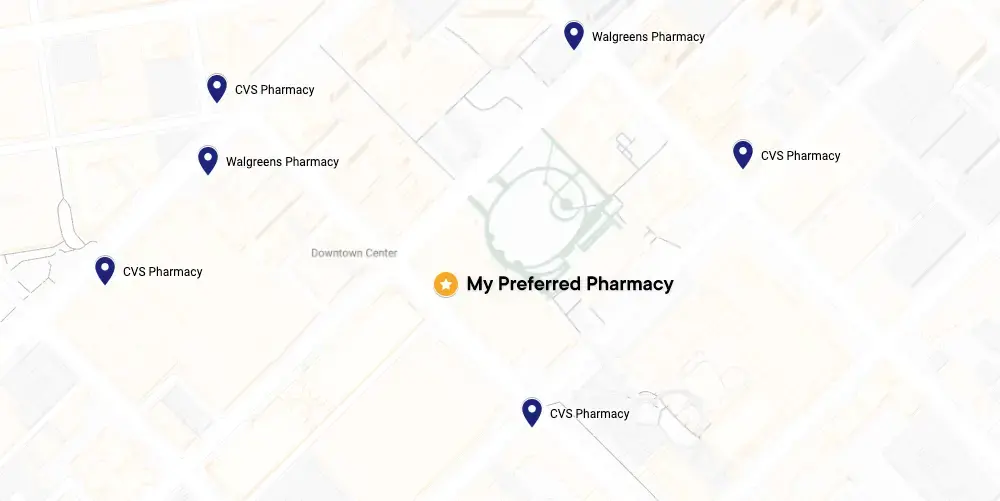
Pick up your beta-blocker prescription from your online doctor.

We can send prescriptions to any local pharmacy.

Beta-blocker pricing details

To get beta blockers online, join our monthly membership and get discounted visits.

Info Card heading

Paying with insurance

Membership

16.99

First month free

+

Visits

Copay

Visit price with insurance

Lorem ipsum dolor sit amet, consectetur adipiscing elit, sed do eiusmod tempor incididunt ut labore et dolore magna aliqua...

Paying with insurance

Membership

16.99

First month free

+

Visits

Copay

Visit price with insurance

Lorem ipsum dolor sit amet, consectetur adipiscing elit, sed do eiusmod tempor incididunt ut labore et dolore magna aliqua...

Sources:

PlushCare is dedicated to providing you with accurate and trustworthy health information.


PlushCare content is reviewed by MDs, PhDs, NPs, nutritionists, and other healthcare professionals. Learn more about our editorial standards and meet the medical team. The PlushCare site or any linked materials are not intended and should not be construed as medical advice, nor is the information a substitute for professional medical expertise or treatment.